From status to self-actualisation: transformative luxury
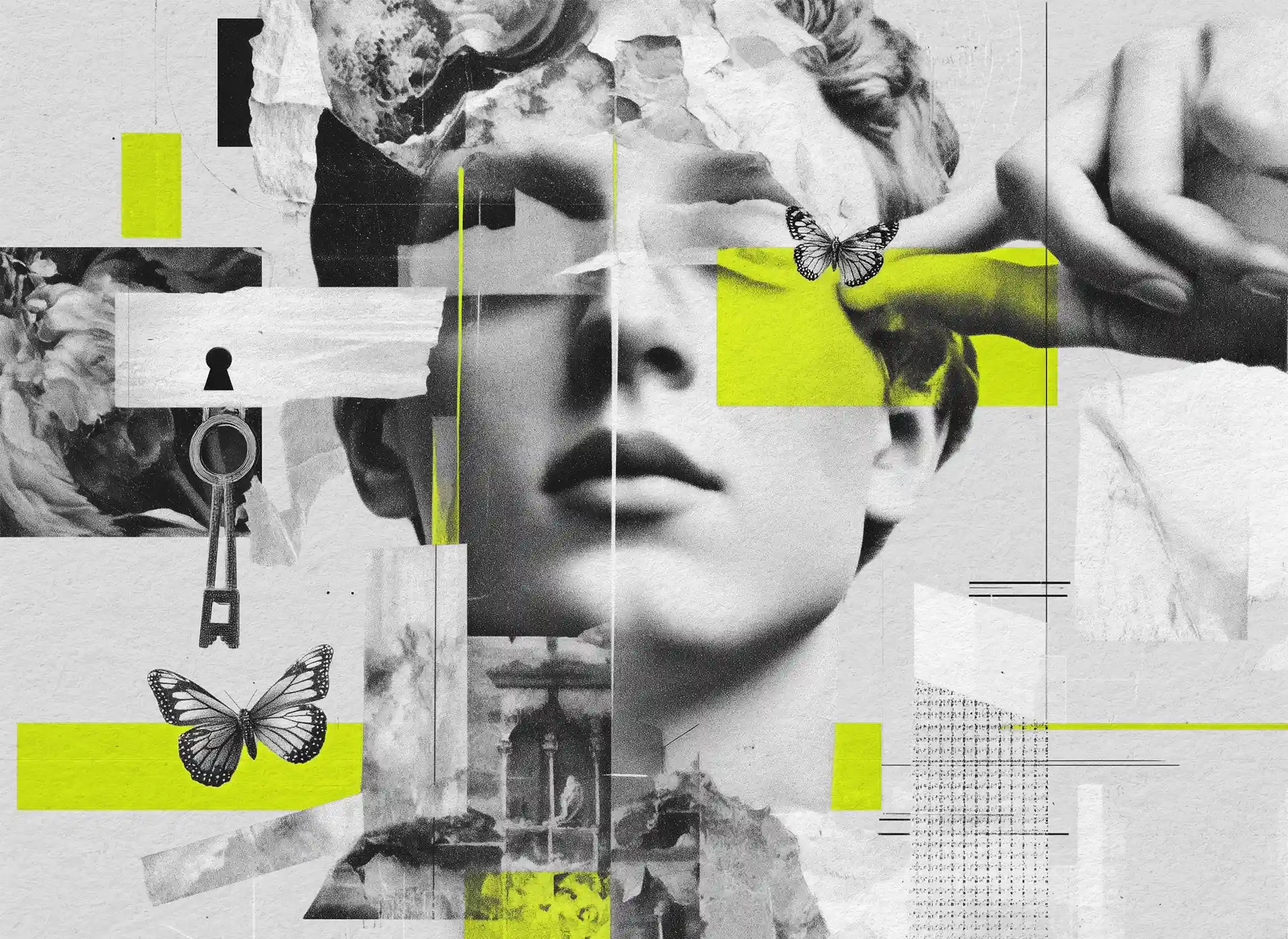
For some time now, a quiet revolution has been reshaping the luxury landscape.
For high-net-worth individuals (HNWIs), the most coveted currency is no longer status, it’s transformation1. Wellness, self-development, and meaning now sit at the centre of what luxury truly offers. For creative brands working in this space, this shift is not simply a trend to follow, but a signal to respond with intent.
We’re witnessing a move from owning to becoming.
The New Definition of Value
Luxury has long been defined by exclusivity, craftsmanship, and price. Yet even the wealthiest consumers are questioning whether traditional markers of prestige such as fast cars, rare watches, and prime real estate still deliver emotional return2. Increasingly, the answer lies elsewhere.
According to McKinsey & Company, younger generations of affluent consumers are driving a major shift in spending, prioritising wellness, longevity, and experiences that foster balance and personal growth3</sup. This evolving definition of value signals a deeper change in luxury: from the pursuit of possession to the pursuit of fulfilment.
There’s a useful way of thinking about this shift through language itself. Historically, the word luxury is rooted not in utility or necessity, but in excess, indulgence, and departure from the ordinary. Luxury has always existed outside the practical. What’s changing now is not that luxury has become meaningful, but that meaning has become its primary measure of worth.
The result is a cultural recalibration. When you already own the best, value is measured not in what you hold, but in what changes you.
What HNWIs Want Now
A new kind of affluence is emerging; one centred on clarity, personal growth, and emotional intelligence. Deloitte’s 2025 Gen Z & Millennial Survey shows that younger wealthy individuals prioritise meaning, mentorship, and wellbeing over traditional status, viewing purpose and self-development as key measures of success. This cohort is now shaping the expectations of the entire luxury market.
Jean Noël Kapferer, one of the most influential thinkers in luxury strategy, frames this shift clearly4. Luxury, he argues, is not about having more, but about being somewhere else. Its power lies in distance from the ordinary, in creating an experience that feels set apart rather than scaled up. That idea resonates strongly today, as affluent audiences seek not accumulation, but perspective.
We see the effects of this shift across sectors. Leading hospitality groups like Aman and Rosewood have evolved their offerings around regeneration and renewal. Aman’s wellness sanctuaries integrate diagnostics and longevity-focused care, while Rosewood’s “Alchemy of Sleep” retreats pair movement therapy with sleep science and nutrition. Luxury is being reframed as restorative: a return to the self, curated with expertise.
Similarly, Six Senses’ immersive programmes combining neuroscience and mindfulness are sold out months in advance. These aren’t just indulgences; they’re milestones, markers of how people choose to invest in their own evolution.
For creative agencies and luxury brands, this shift is a clear invitation to rethink what value means. The future of influence isn’t built on louder launches or broader reach; it’s built on resonance. That means designing spaces and experiences, digital or physical, that leave people more centred and inspired than when they arrived.
Some brands are already leading the way. Montblanc’s Haus in Hamburg repositions writing as a form of reflection and self-expression, transforming its heritage of craftsmanship into a cultural experience. Cartier’s Fondation Cartier pour l’art contemporain continues to champion creativity and contemplation, extending the brand’s influence beyond jewellery into ideas that endure.
There’s confidence in this quieter approach. It replaces performance with presence, and it recognises that true connection isn’t achieved through spectacle, but through sincerity.
Where It Can Go Wrong
Transformation is a bold promise however, and as the wave of purpose-washing proved, audiences are quick to sense when words outrun actions. Not every brand can credibly claim to offer personal growth. The risk lies in gestures that imitate wellness culture
without real depth: a mindfulness caption, a candle collection, a surface-level nod to balance.
The risks of over-promising are well documented. WeWork, for example, positioned itself as a platform for personal and collective transformation. Its language leaned heavily on community, wellbeing and purpose, yet the experience on the ground rarely matched the rhetoric. When the gap between promise and reality became visible, trust collapsed. The lesson wasn’t that meaning doesn’t matter, but that it can’t be manufactured through language alone.
We’ve seen similar missteps across fashion and lifestyle, where brands rooted in speed and volume have attempted to borrow the language of wellbeing; launching mindfulness campaigns, scented homeware, or balance-led messaging without changing how they operate. These gestures rarely land because they’re not structural. Wellness, like purpose, cannot sit comfortably on top of a business model that contradicts it.
The solution is not to imitate, but to align. Brands need to stay rooted in what they know, and to express care in ways that are authentic to their own craft. That can be through service, storytelling, or the sensory details that speak of intention. Depth comes from brand coherence, not generic signposting.
A Different Kind of Legacy
This shift is widening what luxury can be…and what it can be for. The most relevant brands today aren’t adding meaning as a layer; they’re building it into the structure.
Take The Well in New York. Part private members’ club, part wellness institution, it brings together functional medicine, Eastern healing, hospitality and community under one roof. Nothing about it feels performative. The design is restrained, the language measured, the experience deliberately paced. It doesn’t promise escape or enlightenment; but it creates the conditions for both.
In jewellery, Boucheron’s recent Carte Blanche collections continue to move away from the vitrine and towards narrative. Rather than anchoring value in carat or rarity alone, the house has leaned into immersive storytelling and elemental themes, positioning jewellery as an emotional object: something felt, not just worn. The craft remains extraordinary, but the emphasis has shifted from possession to resonance.
What connects these examples isn’t wellness or storytelling, but rather intention. They are designed to be absorbed slowly, to leave space for interpretation, and to reward attention rather than demand it. Beauty becomes a means of presence, not performance.
For us, this is where the opportunity lies. As brands are asked to play a more meaningful role in people’s lives, clarity becomes the differentiator. Not every brand should promise transformation, but every brand should understand the role that it plays. There is, of course, still a place for spectacle and traditional expressions of wealth. Rarity, craftsmanship, and display remain powerful signals, but increasingly, they are expected to be anchored in something deeper. When display is no longer enough on its own, meaning becomes the difference between presence and relevance. Whether a brand creates calm, offers perspective, or simply makes space for reflection, what matters is coherence. The role must be clear, and it must be lived, not performed.
In this next era, luxury will be less about what is displayed and more about what endures. Less about amplification, more about alignment. Value will no longer fit neatly in a box or a logo, but in the quiet shift a brand enables; in how it makes someone feel, think, or see themselves differently.
That’s a legacy worth designing.