From single-use venue to all-day destination
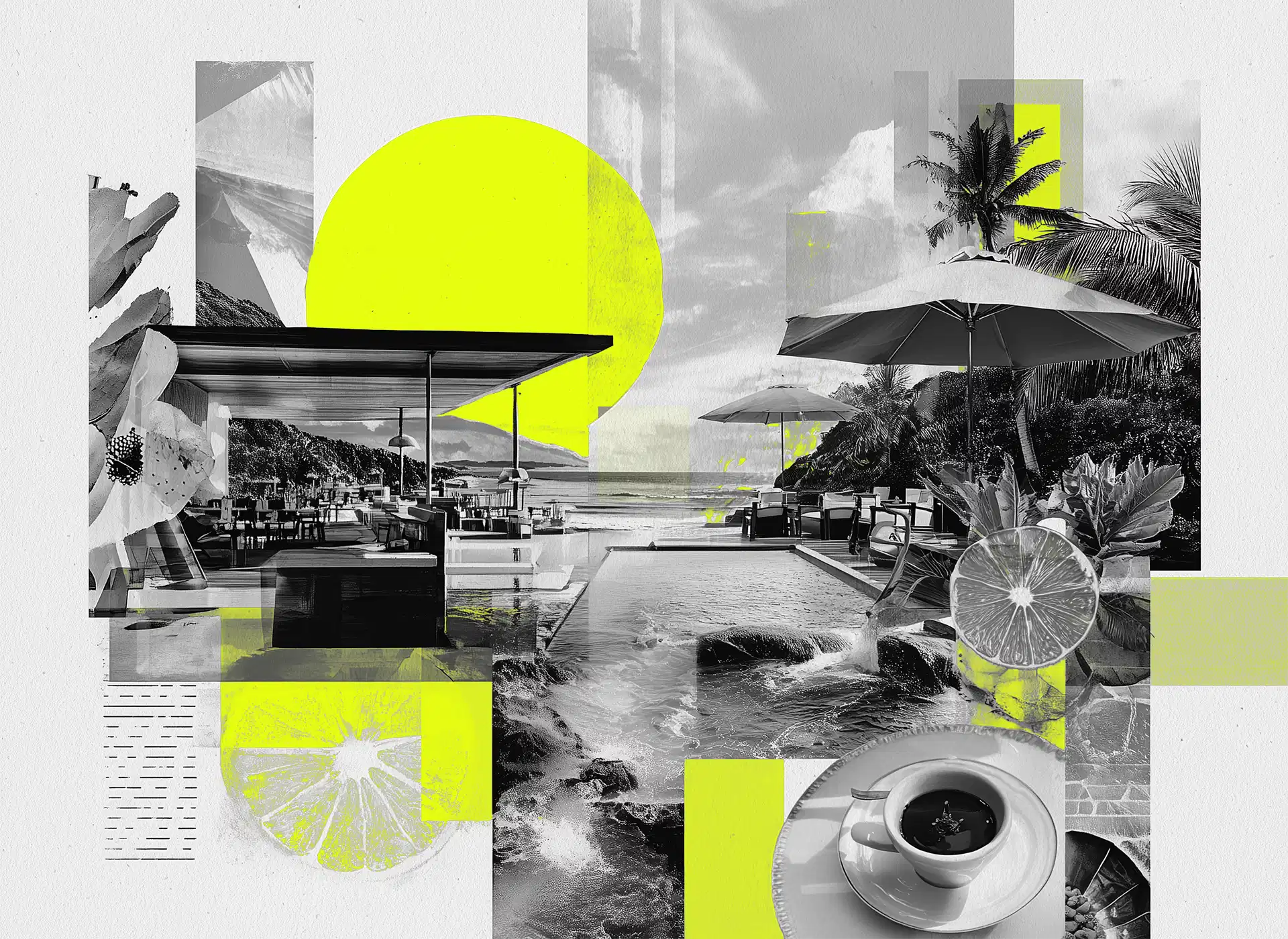
Why Flexible Hospitality is Reshaping the Destination Brand
Not long ago, a venue was just that – a restaurant served meals, a spa delivered treatments, and a gallery displayed art. Each had its lane and stayed in it, but that old model is being quietly dismantled, replaced by places that adapt to the shifting expectations of customers and guests. We’re seeing the rise of destinations that don’t just serve one function but offer multiple moods: part café, part cultural hub, part beach club, part boutique.
The reason for this shift is aesthetic, economic, behavioural, and spatial. Flexible hospitality is no longer fringe thinking. It’s a strategic response to a world where experience matters more than category, and where lingering has more value than passing through.
The Blended Model
Today’s guests don’t want to be categorised as diners or travellers or consumers; they want places that allow them to be all or none of those things, sometimes in a single visit. That’s led to a change in how we design and define destinations. A venue can now be a wellness space in the morning, a culinary hotspot by lunch, a social terrace by sunset. Now it’s less about zoning and more about zoning in…on mood, moment, and memory.
Brands like Soho House and 1 Hotels have built their success on this philosophy. Soho House seamlessly blends work, leisure, and culture within its clubs; where a morning meeting can lead into a rooftop swim, a dinner, or a live performance without ever feeling disjointed. Similarly, 1 Hotels combines sustainability-led design with wellness, dining, and community events that transition effortlessly from day to night. Both exemplify how layered programming and coherent storytelling can create places that feel alive, purposeful, and worth returning to.
Beach clubs have long mastered this; think barefoot brunches, cocktail rituals, and late-night DJ sets all on the same sand. Yet, this isn’t just about lifestyle, it’s about longevity. By offering more than one reason to visit, these spaces stay active longer, welcome broader audiences, and make better use of every square metre.
Designed to Adapt
That’s why this isn’t just a programming question, it’s a design one. Lighting, acoustics, furniture, even scent, they all must flex when needed. A café corner that works with morning sun should glow differently come evening. A poolside area that feels serene at 10am can pulse with energy by 10pm. The best day-to-night spaces can change gear, and shift feeling.
Designing for time means thinking in chapters. The guest isn’t visiting a place; they’re moving through it. Which is why brand identity needs to carry throughout but never feel static. Mood is the medium, via a palette that works from sunrise to stars, and a tone of voice that stretches from laid-back to lively.
Placemaking with Intent
When it works, this model goes beyond serving customers; it strengthens the community. Locals drop in for yoga, return for lunch, stay for music. Tourists feel invited, fitting in where they feel most at home. Importantly, businesses that do this are diversifying their revenue while building relevance.
We’ve seen this across cultural districts, coastal resorts, and even hospitality-led real estate. Places that feel like lifestyle ecosystems rather than one-note offers. The goal isn’t to do everything, it’s to do enough, do it well, and make it feel natural.
Brands are designing for belonging, not just booking, and the result is resilience; commercially and culturally.
A Case in Point
One example we’ve helped shape is Lua Beach House in Turks and Caicos. Originally set out as the Clubhouse at the residential Marina Resort of South Bank, Lua initially served as a restaurant and bar, but it was perceived more as a resort facility than an island destination. It needed to attract a wider audience, beyond the owners and guests at South Bank.
Now, Lua Beach House offers Lagoon-side brunches, spa rituals, pizza with sand between your toes, and fire-lit evenings with jazz drifting over the water. The spaces are layered, the experience is fluid, and the story runs throughout: relaxed sophistication with a soulful edge, full of flavour. Every detail, from the day-night iconography to the way the light shifts through the space, supports this idea of constant transformation without ever losing identity. Lua Beach House isn’t just open all day; it transforms throughout the day, and that’s the difference.
Looking Ahead
As brands consider how to stay relevant and resilient, the all-day destination model offers a clear path forward. It’s not about doing more for the sake of it but doing more with intention. Designing spaces and stories that change with time, without losing coherence.
Spaces that flex thoughtfully, hold attention, and in markets where footfall counts, the destinations that invite people to stay – and stay longer – will always come out ahead.